
Growing in Africa

Our Coffee
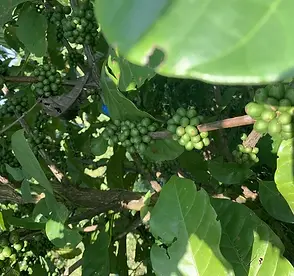
In 2021, we launched the 'Excelling in Excelsa' coffee production project, with the goal of connecting one thousand smallholder farmers to international coffee markets. This will create a new source of quality employment here in one of the world’s most fragile states. Coffee production used to be common in Nzara County, and we want to revive that lost industry.
The launch followed coffee trials that began in 2018, during which we tested Arabica, R11, Robusta and Excelsa varieties, along with other high-value cash crops, to identify the most favourable options in terms of climate suitability, market demand and overall benefit for farmers, the company and Western Equatoria as a whole.
'Excelling in Excelsa' is delivered jointly with Hummingbird Action for Peace and Development and Cordaid. It is one of four schemes co-funded by the Dutch Government under RVO’s Sustainable Development Goals Partnership Facility, supporting both food security and private sector development. We have also benefited from the Markup II programme, which has provided training, facilitated our participation in international coffee conferences, and supported the marketing of our coffee.

Processing of Our Coffee
We currently operate both a wet mill and a dry mill to process Excelsa beans from our model farm and outgrower network. Our facilities produce high-quality green beans for export and supply a small roasting plant serving the domestic market.
Coffee is harvested and processed in Nzara before being transported by truck 1,800 km to the port of Mombasa via Uganda. The first 5-tonne batch is scheduled for export to specialty buyers in Europe, with plans to scale production to 500 tonnes annually by 2028.
Coffee Quality Control
-
Excelsa beans are grown without irrigation and require minimal chemical input.
-
Farmers receive seedlings and technical support from ETC’s extension services.
-
Coffee is processed locally at ETC’s wet and dry mills in Nzara.
-
A small-scale roasting plant serves the domestic market.
-
Initial cupping by international experts has shown strong potential.


.png)
Flavour Profile
Milk chocolate with notes of raisin and sultana – John Thompson, Coffee Nexus
Sweet, more similar to Arabica but generally less bitter – Dr. Aaron Davis, Kew Gardens
Excelsa offers a unique, smooth flavor with dark fruit and hazelnut notes. Unlike Robusta, it is naturally low in bitterness.
Why Excelsa?
Excelsa represents less than 1% of global coffee — but it is the future.
It thrives where Arabica and Robusta fail, with deep roots and high resilience to drought, heat, and disease. In a world where climate change is decimating traditional coffee crops, Excelsa stands out as a sustainable, scalable solution.


Excelsa: Built for the Climate Crisis
.png)
Grows at Lower Altitude

Climate-Resilient
.png)
Pest-Resistant

Heat-Tolerant
.png)
Drought-Resistant
